📍 Curated Route Timeline & Navigation
Gyeongju’s Premier Peony Havens: Dobong Seodang & Seoak-dong
Each May, as late spring transitions into early summer, the ancient capital of Gyeongju unveils one of its most breathtaking seasonal displays: the vibrant bloom of the Gyeongju Peony Flowers. While the city is famed for its cherry blossoms and royal tombs, the Seoak-dong neighborhood transforms into a painter’s palette of lush pinks, deep crimsons, and creamy whites. This area, nestled against a backdrop of serene mountains and priceless cultural heritage, offers a more tranquil and profound floral experience than the city’s more crowded attractions. The two undisputed centerpieces of this seasonal spectacle are Dobong Seodang and the nearby Seoak-dong Three-story Stone Pagoda.
Dobong Seodang, a historic Confucian academy, serves as a magnificent anchor for the peony fields. The site itself is a picture of traditional Korean architectural grace, with its elegant tiled roofs and weathered wooden beams. During peak season, typically from mid-to-late May, the grounds erupt with thousands of peonies, creating a stunning visual harmony between structured heritage and wild, natural beauty. As you wander the paths, you’ll find the flowers planted in dense clusters, allowing for immersive photographs where the blossoms frame the historic buildings perfectly. It feels less like a manicured festival ground and more like stepping into a cherished local secret. The atmosphere is generally peaceful, especially on weekday mornings, making it an ideal spot for quiet contemplation and photography without the usual throng of tourists.
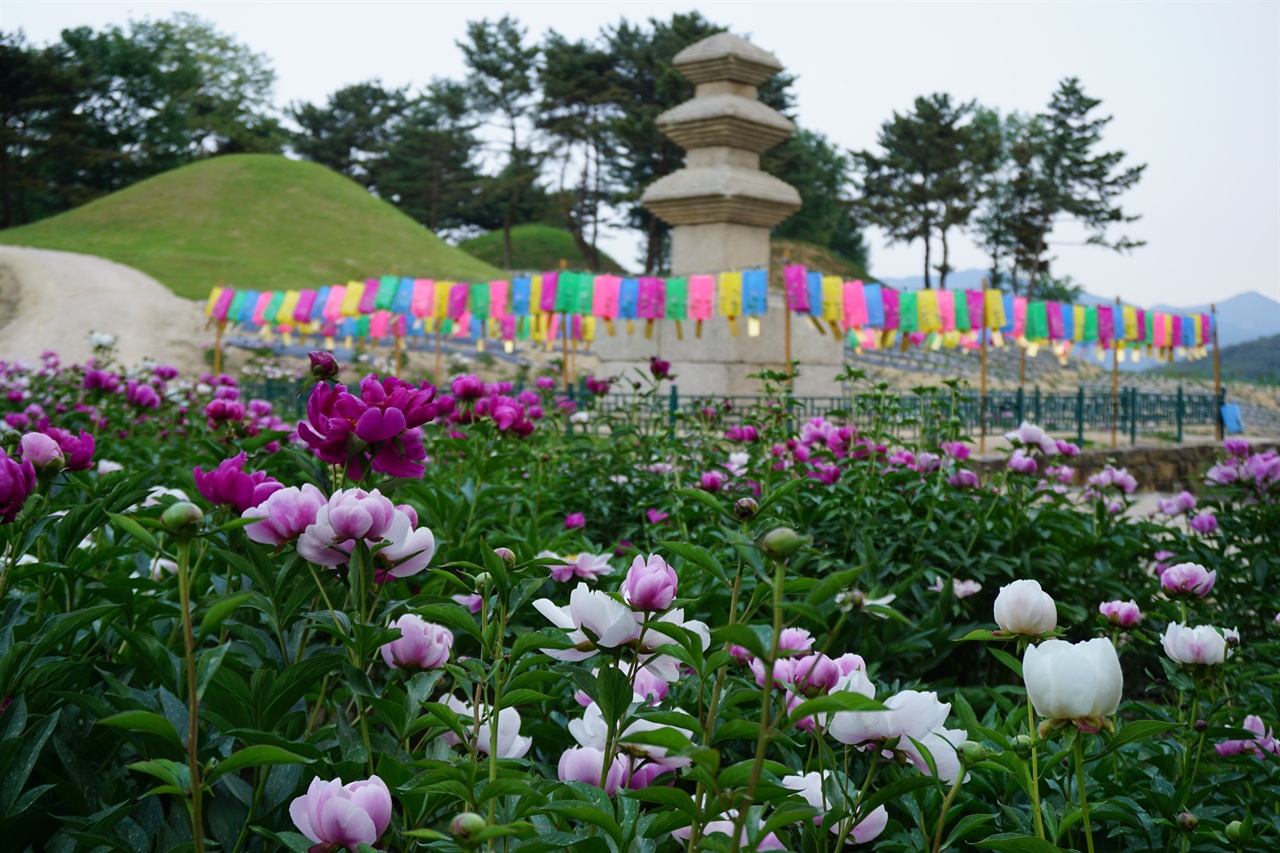
A short, pleasant walk from the academy leads you to the Seoak-dong Three-story Stone Pagoda, a designated National Treasure (No. 65). Here, the experience of viewing the Gyeongju Peony Flowers takes on a different, more historic resonance. The ancient, weathered granite of the Silla-era pagoda stands in stoic contrast to the delicate, ephemeral beauty of the peonies surrounding its base. This juxtaposition is what makes the location so compelling for photographers and history enthusiasts alike. The fields here are open and expansive, offering panoramic views that encompass the pagoda, the flowers, and the rolling hills beyond. For a truly memorable experience, time your visit to coincide with the Seoak Village Peony Music Festival, often held on select weekend afternoons in May, where traditional music performances among the blooms elevate the scene to something truly magical.
5 Hidden Gems in Daejeon Jungang Market Cheongnyeon Mall
2026 Ultimate Goseong Lavender Farm Guide: 5 Must-Visit Spots
A Photographer’s Guide to the Gyeongju Peony Flowers
Capturing the essence of the Gyeongju Peony Flowers is an exercise in appreciating texture, color, and context. The unique setting within Seoak Village provides endless opportunities for stunning compositions that go beyond simple floral close-ups. To achieve the best results, timing and approach are critical. The ideal time for a visit is undoubtedly on a weekday morning, shortly after sunrise. During these early hours, the light is soft and golden, illuminating the delicate petals without the harsh shadows of midday. More importantly, you will have the fields largely to yourself, allowing for unobstructed shots of the pagoda and Dobong Seodang framed by the blossoms.
When composing your shots at Dobong Seodang, look for angles that incorporate the architectural elements. Use the sweeping lines of the traditional *giwa* (tiled roofs) as a leading line into a field of pinks and reds. The contrast between the dark, aged wood of the academy and the vibrant life of the flowers creates a powerful narrative. At the Seoak-dong Three-story Stone Pagoda, experiment with perspective. Get low to the ground to make the peonies in the foreground appear larger and more dramatic, leading the viewer’s eye toward the ancient stone structure in the distance. This technique emphasizes the scale and grandeur of the landscape. Remember that these are active cultural and residential sites, so be mindful of where you step and respect any roped-off areas designed to protect the flowers and the grounds.
A Note on Navigation: International visitors must be aware that standard Google Maps offers limited functionality for walking and transit directions in South Korea due to national security regulations. For accurate, real-time navigation to find these specific photo spots and navigate the city’s bus system, it is essential to download a local application. Naver Map and KakaoMap are the two dominant platforms; both offer robust English-language support and are indispensable tools for any traveler in Korea.
Beyond the peonies, Seoak Village also features poppies and other seasonal wildflowers, offering additional textures and colors to incorporate into your photography. The entire village is a designated “Seorabeol Historic Culture Village,” encouraging a slow-paced exploration of its quiet lanes. The true magic of photographing the Gyeongju Peony Flowers lies in capturing not just the flowers themselves, but the timeless spirit of Gyeongju that they inhabit.
Planning Your Gyeongju Peony Trip: Logistics & Itinerary
A successful trip to see the Gyeongju Peony Flowers requires a bit of logistical planning, especially for those traveling from Seoul or other major cities. The main transit hub, KTX Gyeongju Station (often called Singyeongju Station), is located outside the city center, so you’ll need a clear plan for reaching the Seoak-dong area. The journey from the station to the peony fields takes approximately 15-20 minutes by taxi or 30-40 minutes by local bus (routes like No. 50, 51, or 70 are common options). Given the convenience, a taxi is highly recommended for travelers with luggage or those on a tight schedule. Once you arrive in Seoak-dong, both Dobong Seodang and the pagoda are easily explored on foot. The area is relatively compact, making for a pleasant walk between the two main sites.
To help you organize your visit, here is a summary of the key locations:
| Hotspot Name | Category | Key Activity | Nearest Transit Hub | Cost |
|---|---|---|---|---|
| Dobong Seodang (도봉서당) | Historic Site / Garden | Peony viewing, photography with traditional architecture | KTX Gyeongju Station + Taxi/Bus | Free Admission |
| Seoak-dong Three-story Stone Pagoda (서악동 삼층석탑) | National Treasure / Park | Viewing peonies with an ancient pagoda, attending music festival | KTX Gyeongju Station + Taxi/Bus | Free Admission |
💡 Practical Insider Tips
- Luggage Storage Strategy: If you’re on a day trip, don’t haul your bags. KTX Gyeongju Station has coin lockers and a staffed luggage service called “Zimcarry,” which can hold your bags or even deliver them to your hotel. For those exploring the popular Hwanglidan-gil area later, there are free public lockers available there—a rare and valuable convenience.
- Footwear is Key: The paths around the peony fields and within Seoak Village can be unpaved and uneven. Comfortable, sturdy walking shoes are essential for a pleasant experience. Avoid wearing heels or sandals.
- Payment and Parking: Admission to the sites is free. All major cafes and restaurants in Gyeongju accept credit cards. If driving, both Dobong Seodang and the pagoda area have designated parking lots, but they fill up extremely quickly on weekends. Arrive before 9 AM for the best chance at securing a spot.
- Respectful Tourism: Remember that Seoak-dong is a living village and these are revered historical sites. Keep your voice down, do not pick the flowers, stay on designated paths, and be mindful of local residents going about their day.
Sample One-Day Itinerary
9:00 AM: Arrive at KTX Gyeongju Station. Store your luggage at a station locker or with Zimcarry. Take a 15-minute taxi to Dobong Seodang.
9:30 AM – 11:30 AM: Explore the beautiful Gyeongju Peony Flowers at Dobong Seodang and the Seoak-dong Three-story Stone Pagoda. Enjoy the morning light and peaceful atmosphere.
12:00 PM: Take a short taxi ride to the famous Hwanglidan-gil area for lunch. Choose from dozens of modern cafes, traditional Korean restaurants, and trendy eateries.
1:30 PM – 4:00 PM: Wander through Hwanglidan-gil, exploring its unique shops, renting a traditional *hanbok*, and soaking in the lively atmosphere.
4:30 PM: Return to KTX Gyeongju Station via taxi, retrieve your luggage, and board your train, concluding a perfect day in the ancient capital.
Looking for more local travel tips? Be sure to explore our homepage and browse our latest K-Travel Guide articles for the ultimate South Korea itineraries!
Written by Min-Woo Park (Senior Travel Editor)
Min-Woo Park is a Senior Travel Editor for K-Travel Insider, specializing in South Korean public transportation systems, digital payment logistics, and foreigner travel guides. He covers official Korail regulations, transit passes, and local payment technologies.
Home |
About Us |
Contact Us |
Privacy Policy |
Terms of Service |
Disclaimer
Copyright © 2026 K-Travel Insider (koreanvalueinvestor.com). All rights reserved.