📍 Curated Route Timeline & Navigation
The All-in-One Solution: Mastering the Wowpass Card
Navigating the payment landscape in South Korea can be surprisingly complex for first-time visitors. While Seoul is a hyper-modern metropolis, its payment systems have unique quirks. This is where the Korea Travel Money Guide begins, with the single most practical tool for any tourist: the Wowpass card. Introduced as a comprehensive solution for travelers, Wowpass ingeniously combines a currency exchange service, a prepaid debit card, and a T-money transit card into one physical card. This eliminates the need to juggle multiple cards and wads of cash, streamlining your entire travel experience from the moment you land.
The primary advantage of Wowpass is its accessibility. Upon arrival at Incheon International Airport (ICN) or Gimpo International Airport (GMP), you can immediately locate the distinctive orange Wowpass kiosks. These machines are typically situated near the Airport Railroad Express (AREX) train platforms and in major subway stations throughout Seoul, such as Myeongdong, Hongik University (Hongdae), and Gangnam. The process is designed for international visitors, with clear instructions available in English. You simply insert your home currency (the machine accepts 16 different currencies, including USD, JPY, EUR, and others), and the kiosk exchanges it into Korean Won (KRW) at competitive rates, loading the balance directly onto your new card. There is a one-time card issuance fee of 5,000 KRW, but the convenience it offers is well worth this modest investment.
Once loaded, the Wowpass functions as a standard prepaid debit card, accepted at virtually any location in South Korea that takes card payments—from department stores and restaurants to cafes and convenience stores. The integrated T-money function operates on a separate balance that you can top up at any subway station or convenience store. This allows you to tap-and-go on all public transportation, including subways, buses, and even some taxis. You can manage your card and track your spending through the dedicated Wowpass mobile app, which provides a clear breakdown of your purchase history and remaining balance. For any comprehensive Korea Travel Money Guide, recommending Wowpass is the essential first step to a hassle-free journey.
Daegwallyeong Sheep Farm: Your 2026 Must-Visit Guide
Jaraseom Flower Festival: Your 2026 Essential Guide
Credit Cards and The Reality of Apple Pay in Korea
While Wowpass is an excellent primary tool, having a reliable credit card is a crucial part of any sound financial strategy in Korea. International credit cards, particularly Visa and Mastercard, are widely accepted across Seoul and other major cities. You’ll find them usable in hotels, large restaurants, retail chains, and for booking tickets online. However, it’s wise to carry a backup card from a different network, as some smaller establishments or specific payment terminals might have preferences. American Express, for instance, is not as universally accepted as Visa or Mastercard. A critical tip for using foreign cards is to always select “Pay in KRW” (Korean Won) when the terminal offers a choice. Choosing your home currency will trigger Dynamic Currency Conversion (DCC), which often comes with unfavorable exchange rates and hidden fees.
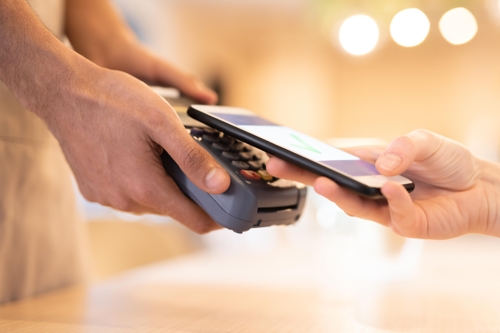
Now, let’s address a common point of confusion for tech-savvy travelers: Apple Pay. While you may be accustomed to the seamless tap-to-pay experience in cities like London or Tokyo, the situation in South Korea is different. Apple Pay officially launched in Korea in 2023, but its functionality is almost exclusively tied to Hyundai Card, a local issuer. This means that for the vast majority of international visitors, your foreign-issued cards registered in your Apple Wallet will not work at Korean NFC terminals. Do not expect to rely on Apple Pay for your daily expenses. While some global hotel chains or duty-free shops might have systems that can process it, these are exceptions, not the rule. This is a vital piece of information in this Korea Travel Money Guide, as assuming Apple Pay is ubiquitous can lead to inconvenient situations.
Similarly, while you may hear about other mobile payment systems like Samsung Pay, its widespread acceptance in Korea is due to its use of Magnetic Secure Transmission (MST) technology, which mimics a card swipe. This feature is largely limited to Samsung phones issued in Korea. QR code-based payments, like KakaoPay or the GLN system mentioned in some travel reviews for other Asian countries, are also predominantly linked to local bank accounts and are not a viable option for most tourists. Therefore, the most dependable strategy is a combination of a Wowpass card for daily spending and transit, and a physical international credit card for larger purchases and as a backup.
Cash, Currency Exchange, and Navigational Essentials
In a country where over 90% of transactions are digital, is cash still necessary? The answer is a definitive yes. A core principle of our Korea Travel Money Guide is preparedness, and carrying a reasonable amount of Korean Won is essential for specific scenarios. You will need cash for exploring traditional markets like Gwangjang Market or Namdaemun Market, where you can sample authentic street food from vendors who often only accept cash. Many small, independent shops in underground shopping arcades or quaint neighborhoods like Ikseon-dong also operate on a cash-preferred basis. Having 10,000 KRW and 1,000 KRW notes on hand is incredibly useful for these small, delightful purchases that define the local experience.
Your first opportunity to get cash is at the airport. You can either use the Wowpass kiosk, which dispenses your exchanged funds onto the card, or visit a bank counter. For the best exchange rates, however, many seasoned travelers and locals head to the licensed private money changers in Myeongdong. These small storefronts consistently offer better rates than banks or airports, though it’s wise to compare a few before committing. If you run low on cash during your trip, you can withdraw from ATMs. Look for global ATMs, often found in subway stations or convenience stores, that display logos like Visa, Mastercard, or Cirrus. Be aware that these withdrawals will incur fees from both your home bank and the local Korean bank.
Finally, a critical non-financial tip that is inseparable from a smooth trip: navigation. Due to national security regulations, Google Maps has extremely limited functionality in South Korea. It cannot provide walking, driving, or public transit directions. Attempting to use it will lead to frustration. Before you arrive, you must download either Naver Map or KakaoMap. Both platforms are the local standard, offer comprehensive and accurate real-time transit information, and have robust English language support. Mastering one of these apps is as important as figuring out your payment methods and is a non-negotiable part of this Korea Travel Money Guide for successfully exploring Seoul and beyond.
Expert Summary: Your ideal payment setup for a trip to South Korea involves getting a Wowpass card at the airport for daily spending and transit, carrying one or two major international credit cards (Visa/Mastercard) for larger purchases, and having at least 50,000-100,000 KRW in cash for markets and small vendors. Do not rely on Apple Pay with a foreign card. For navigation, use Naver Map or KakaoMap exclusively.
| Payment Method | Category | Best For | Cost / Fees |
|---|---|---|---|
| Wowpass Card | All-in-One Prepaid | Daily spending (cafes, shops), all public transit (subway, bus). | 5,000 KRW (~$3.60 USD) one-time card fee. Competitive exchange rates. |
| International Credit Card | Primary / Backup | Hotels, department stores, upscale restaurants, online bookings. | Potential foreign transaction fees from your bank. Avoid DCC fees by paying in KRW. |
| Apple Pay (with Foreign Card) | Mobile Payment | Not recommended. Very limited acceptance for non-Korean cards. | N/A due to lack of usability. |
| Cash (Korean Won) | Essential Supplement | Street food, traditional markets, small vendors, T-money top-ups. | Exchange fees apply. Myeongdong changers offer best rates. ATM fees for withdrawal. |
💡 Practical Insider Tips
- Luggage Storage: Major subway stations are equipped with automated luggage lockers. They are perfect for stashing your bags for a few hours after checking out of your hotel. Most modern lockers accept T-money, Wowpass, or credit cards, but it’s good to have cash as a backup.
- Solo Traveler Friendliness: South Korea is exceptionally safe for solo travelers. Many restaurants, especially for popular dishes like Kalguksu or Gukbap, have counter seating or are accustomed to individual diners. You can explore with confidence at any hour.
- Translation Apps: While English signage is common in tourist hubs, it’s not universal. Download the Naver Papago app. Its image and voice translation features are far more accurate for Korean than Google Translate and will be invaluable for reading menus or asking for directions.
- Public Wi-Fi: Free public Wi-Fi is widely available on subways, buses, and in many public spaces (look for “Seoul_Secure”). While convenient, renting a portable Wi-Fi egg or buying a travel SIM card at the airport is recommended for constant, reliable connectivity.
Sample One-Day Itinerary Using Your Payment Tools
This itinerary demonstrates how to seamlessly use different payment methods throughout a day in Seoul.
- 9:00 AM: Arrive at Incheon Airport. Locate a Wowpass kiosk, exchange $200 USD for KRW on the card. Use the card’s T-money function to tap into the AREX train bound for Seoul Station.
- 11:00 AM: Drop bags at your hotel in Myeongdong. Take the subway (Line 4) to Hyehwa Station (tap Wowpass) to explore the Ihwa Mural Village.
- 1:00 PM: Lunch at a small, local restaurant near the village. Pay with your Wowpass debit card function.
- 3:00 PM: Head to Gwangjang Market. Use cash (KRW) to buy Bindaetteok (mung bean pancakes) and Mayak Gimbap from a market stall.
- 5:00 PM: Shopping in Myeongdong. Use your international credit card for larger purchases at Lotte Department Store and your Wowpass for smaller buys at Olive Young.
- 7:30 PM: Dinner at a Korean BBQ restaurant in Hongdae. Pay the larger bill with your international credit card to save your Wowpass balance.
- 10:00 PM: Take the subway back to your hotel (tap Wowpass). Stop at a GS25 convenience store and use the remaining cash or Wowpass to buy a snack.
Looking for more local travel tips? Be sure to explore our homepage and browse our latest K-Travel Guide articles for the ultimate South Korea itineraries!
Written by Min-Woo Park (Senior Travel Editor)
Min-Woo Park is a Senior Travel Editor for K-Travel Insider, specializing in South Korean public transportation systems, digital payment logistics, and foreigner travel guides. He covers official Korail regulations, transit passes, and local payment technologies.
Home |
About Us |
Contact Us |
Privacy Policy |
Terms of Service |
Disclaimer
Copyright © 2026 K-Travel Insider (koreanvalueinvestor.com). All rights reserved.