Dining in Seoul is an electrifying journey for the senses, a core part of any visit to South Korea. From sizzling tabletop barbecue grills to bubbling pots of savory stew, the food scene is as dynamic as the city itself. However, navigating the local customs can feel daunting for first-time visitors. The flow of ordering, paying, and interacting with staff often differs significantly from what you might be used to back home. Understanding the nuances of Korean Restaurant Etiquette is the key to unlocking a smooth, enjoyable, and truly authentic culinary experience.
📍 Curated Route Timeline & Navigation
This guide demystifies the entire process, from the moment you sit down to when you pay the bill. We’ll cover the five pillars of dining in Korea: the no-tip culture, the art of payment, the magic of the tableside call bell, the bounty of free side dishes (banchan), and the efficiency of self-service. Forget what you know about dining abroad; this is your insider’s manual to eating like a local in Seoul.
A Crucial Navigation Note: Before you set out, please be aware that Google Maps provides limited and often inaccurate walking and transit directions in South Korea due to national security regulations. For reliable, real-time navigation, it is essential to download a local application. I strongly recommend Naver Map or KakaoMap. Both are available in English and are indispensable tools for exploring the city’s culinary landscape.
The No-Tip Culture: Payments and Ordering Explained
One of the most significant cultural differences that surprises Western visitors is Korea’s firm no-tipping policy. Unlike the complex tipping calculations required in countries like the United States, the concept is refreshingly simple here: you do not need to tip. Ever. This isn’t a matter of being frugal; it’s a fundamental aspect of Korean Restaurant Etiquette. Service charges are already built into the menu prices, and staff are paid a fixed salary. Leaving extra money on the table can genuinely cause confusion, with staff sometimes chasing after customers to return the cash they believe was forgotten. While the global norms on tipping vary wildly, in Korea, your best show of appreciation is a simple, polite “jal meogeosseumnida” (thank you for the meal) as you leave.
The payment process is another area of distinction. In most Korean restaurants, you do not pay at your table. When you’ve finished your meal, you take the bill (계산서, gyesanseo), which is often left on your table or brought when requested, and proceed to the cashier counter located near the entrance. This is where you’ll pay for your meal. Major credit cards (Visa, Mastercard, Amex) are accepted almost everywhere, as are mobile payment systems like Samsung Pay. While splitting the bill among friends is common, it’s typically handled by one person paying the full amount and the others transferring their share electronically. As a tourist, you can usually ask to pay with separate cards (“ttaro gyesan hae juseyo“), and most establishments will accommodate this. This centralized payment system is highly efficient and a core part of the “ppalli-ppalli” (hurry, hurry) culture that values speed and convenience. Some modern establishments, particularly in fast-casual dining, have automated this even further. As noted by some local observers of service culture, you will frequently encounter self-service kiosks where you order and pay upfront, receiving a ticket with a number that is called when your food is ready. This is especially common in food courts, cafes, and modern eateries catering to a younger crowd.
Jaraseom Flower Festival: Your 2026 Essential Guide
Service with a Button: The Call Bell and Banchan System
If there’s one piece of technology that defines the modern Korean dining experience, it’s the humble call bell (호출벨, hochulbel). These small buttons, typically found on the corner of every table, are a game-changer for service efficiency. Instead of craning your neck to flag down a busy server or resorting to a loud “Excuse me!”, a simple press of the button sends a signal to a central panel, alerting staff that your table requires attention. This system is a cornerstone of Korean Restaurant Etiquette, allowing for an unobtrusive yet highly responsive service model. As one local blogger aptly put it, this innovation is one of the hit products that often surprises foreigners accustomed to different service dynamics. It empowers you to request service precisely when you need it—whether for more water, extra napkins, or to place an additional order—without interrupting the flow of your meal or conversation.
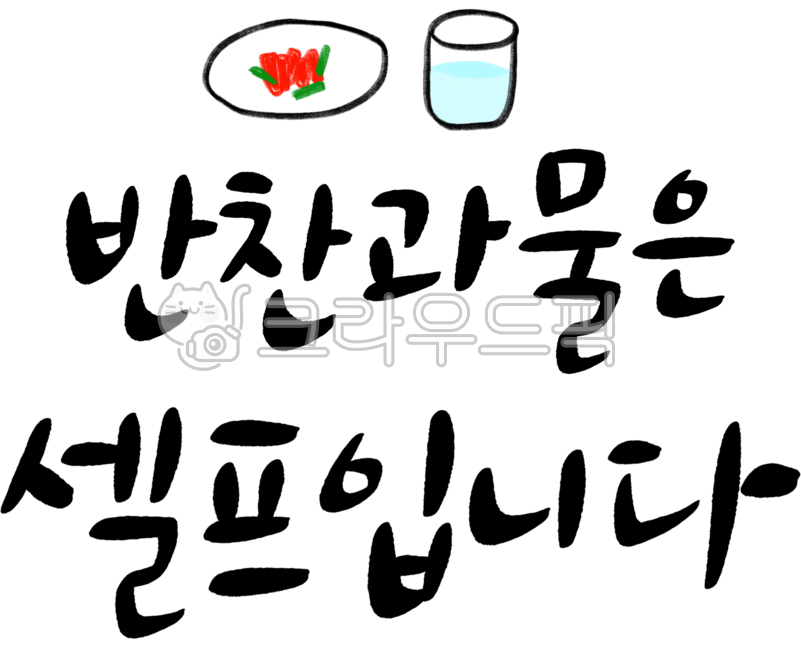
Equally integral to the dining experience is the culture of banchan (반찬). These are the small side dishes that arrive at your table, free of charge, shortly after you order your main courses. They are not appetizers; they are meant to be eaten throughout the meal to complement the main dishes. The variety is staggering, but you can almost always expect to see some form of kimchi. Other common staples include pickled radish (danmuji), seasoned bean sprouts (kongnamul-muchim), and braised potatoes (gamja-jorim). The best part? In most restaurants, banchan are refillable. This leads us to another key concept: self-service (셀프, selpeu). Many casual restaurants feature a “self-bar” where you can help yourself to refills of your favorite banchan, as well as water, and sometimes extra cutlery. This is not a sign of neglectful service but rather an efficient system that gives diners control. Embracing this self-service aspect is a key part of fitting in and shows an understanding of local customs. It’s a system that balances attentive, on-demand service via the call bell with practical, self-driven efficiency.
Your Ultimate 2026 Gyeongbokgung Hanbok Rental Guide
A Practical Guide to Dining Experiences in Seoul
Navigating the diverse dining landscape of Seoul is easier when you understand the different service styles you’ll encounter. From bustling traditional markets to sleek, modern eateries, each offers a unique experience. Mastering Korean Restaurant Etiquette means adapting to these varied environments. For instance, at a traditional market stall, you’ll often order by pointing, pay in cash, and sit on a simple bench, while a contemporary restaurant in Gangnam might feature QR code menus and tablet ordering. To help you prepare, here is a summary of common dining scenarios you’ll find across the city.
| Restaurant Type | Category | Key Experience | Typical Location | Estimated Cost (per person) |
|---|---|---|---|---|
| Traditional K-BBQ | Korean Barbecue | Grilling meat at the table, using the call bell for orders, sharing everything. | Myeongdong / Hongdae | 25,000 – 45,000 KRW (~$18 – $33 USD) |
| Modern Casual Eatery | Fusion / Casual Dining | Ordering via tabletop tablet or QR code, self-service water/cutlery. | Seongsu-dong / Gangnam | 18,000 – 30,000 KRW (~$13 – $22 USD) |
| Traditional Market Stall | Street Food | Ordering by pointing, communal bench seating, often cash-preferred. | Gwangjang Market | 8,000 – 15,000 KRW (~$6 – $11 USD) |
| Noodle/Soup House | Specialty Restaurant | Quick service, often focused on one main dish, self-service kimchi pots. | Jongno / City Hall | 10,000 – 17,000 KRW (~$7 – $12 USD) |
💡 Practical Insider Tips
- Luggage & Bag Storage: Many local restaurants are compact and lack space for bulky bags or luggage. Before heading to a meal, make use of the ubiquitous and affordable luggage lockers found in nearly every subway station. As many travelers have noted, these storage solutions are secure and convenient, allowing you to dine without being encumbered.
- Solo Dining (Honbap): While Korean dining is traditionally communal, solo dining (honbap) is now extremely common. Look for restaurants with counter seating or designated one-person tables. Many soup, noodle, and kimbap shops are particularly welcoming to individual diners.
- Reservations & Queuing: For popular restaurants, waiting is the norm. Some use apps like CatchTable for reservations, but many rely on a simple paper waiting list near the entrance. Write down your name, party size, and phone number (a Korean number is often required). Arriving before peak hours (11:30 AM for lunch, 6:00 PM for dinner) is the best strategy to minimize wait times.
- Payment Flexibility: While major credit cards are accepted almost everywhere, it’s wise to carry a small amount of Korean Won (KRW) in cash. This is particularly useful for smaller, family-run establishments or for purchasing snacks at traditional markets where card machines may not be available.
Looking for more local travel tips? Be sure to explore our homepage and browse our latest K-Travel Guide articles for the ultimate South Korea itineraries!
Written by Min-Woo Park (Senior Travel Editor)
Min-Woo Park is a Senior Travel Editor for K-Travel Insider, specializing in South Korean public transportation systems, digital payment logistics, and foreigner travel guides. He covers official Korail regulations, transit passes, and local payment technologies.
Home |
About Us |
Contact Us |
Privacy Policy |
Terms of Service |
Disclaimer
Copyright © 2026 K-Travel Insider (koreanvalueinvestor.com). All rights reserved.