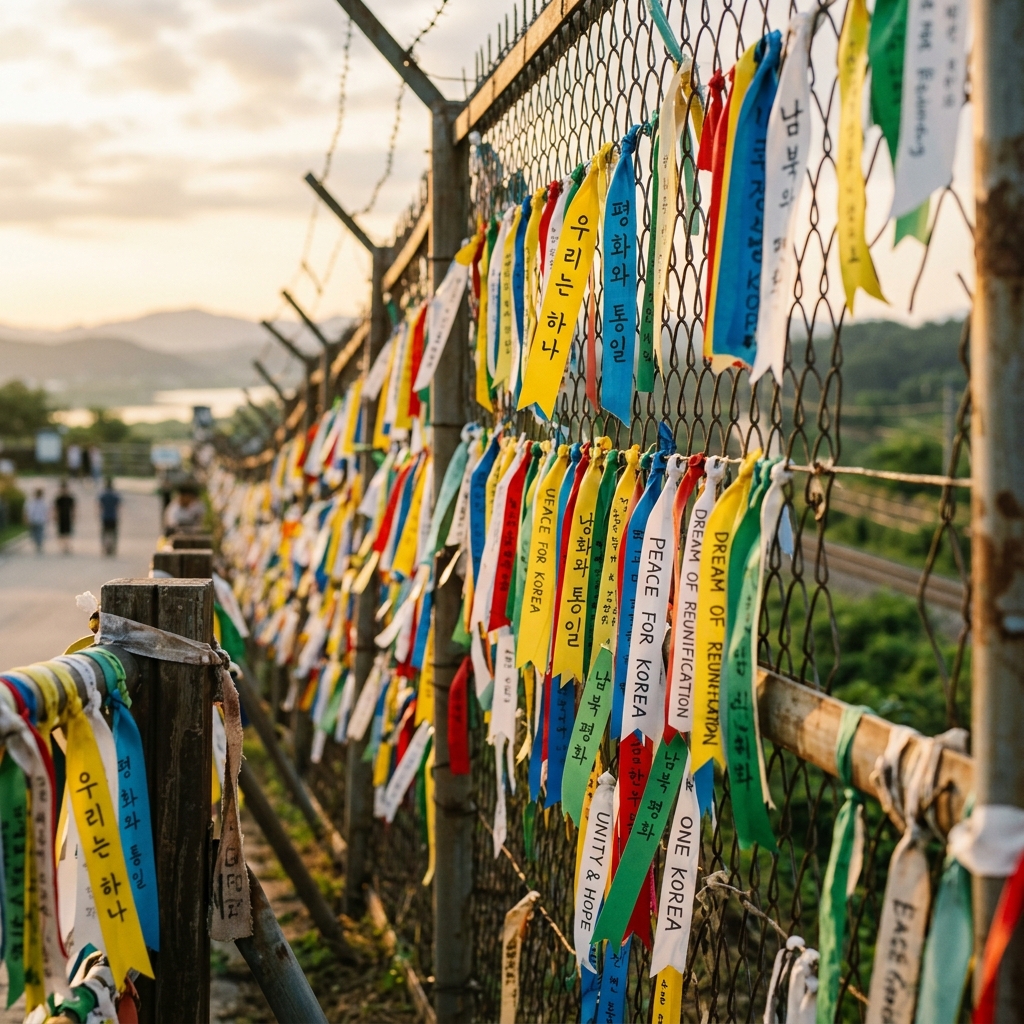
Visiting the Demilitarized Zone (DMZ) from Seoul is one of South Korea’s most unique and sobering travel experiences. It offers a direct, unfiltered look into the complex history and ongoing tensions of the Korean Peninsula. This is not a typical tourist attraction; it is an active military border zone that serves as a stark reminder of the division between North and South Korea. A trip here requires careful planning, adherence to strict rules, and a clear understanding of what the tour entails.
This guide provides an objective overview of how to visit the DMZ, detailing the mandatory booking procedures, key sites, and critical security protocols. It also addresses common misconceptions, particularly regarding the currently suspended tours to the Joint Security Area (JSA) at Panmunjom, ensuring travelers have accurate, up-to-date information for a safe and meaningful visit.
Booking a DMZ Tour: Key Rules & Options
Independent travel to the civilian-controlled areas of the DMZ is not permitted for foreign tourists. Access is granted exclusively through officially sanctioned group tours. This is a fundamental requirement for security reasons, as visitors are escorted through military checkpoints and active operational zones.
Booking must be done in advance, typically through reputable online travel agencies or local tour operators. During peak travel seasons (spring and autumn), tours can be fully booked weeks ahead, so early reservation is highly recommended. All tours require the submission of passport details at the time of booking for military security clearance.
Most operators offer two primary tour structures: a half-day tour focusing on the core DMZ sites or a full-day tour that may include additional nearby attractions.
| Feature | Half-Day DMZ Tour | Full-Day DMZ Tour |
|---|---|---|
| Typical Duration | 6-7 hours (including travel time) | 8-10 hours (including travel time) |
| Key Sites Included | Imjingak Park, Third Infiltration Tunnel, Dora Observatory, Dorasan Station | All half-day sites plus additional locations like the Gloucester Hill Memorial, Gamaksan Suspension Bridge, or a specific lunch stop. |
| Pace | Fast-paced and highly structured. Time at each location is limited. | Slightly more relaxed, but still follows a strict schedule. |
| Lunch | Not included. Tour typically ends before or around lunchtime. | Usually included, often a simple set meal like bulgogi or bibimbap. |
| Approximate Cost | Lower price point. | Higher price point due to longer duration and included meal/attractions. |
| Best For | Travelers with limited time who want to see the essential DMZ landmarks. | Visitors who want a more comprehensive experience and are interested in related historical sites beyond the immediate border area. |
Important Caveat: The Indefinite Suspension of JSA/Panmunjom Tours
One of the most significant points of confusion for travelers is the status of the Joint Security Area (JSA) at Panmunjom—the iconic location with the blue conference buildings where North and South Korean soldiers stand face-to-face. Public tours to the JSA have been suspended indefinitely since late 2019 and have not resumed for tourists.
**Warning:** Be extremely cautious of any tour agency that claims to offer a JSA or Panmunjom visit. These are misleading. Standard DMZ tours visit the sites listed above (like the Third Tunnel and Dora Observatory) but do **not** go to the JSA. The experience is fundamentally different, and managing this expectation is crucial.
What to Expect: Key DMZ Tour Attractions
A standard DMZ tour is a highly choreographed experience, moving visitors between designated sites on a strict timeline. While informative, it allows for little independent exploration. The atmosphere is often a strange mix of somber historical reflection and routine tourism.
Imjingak Park
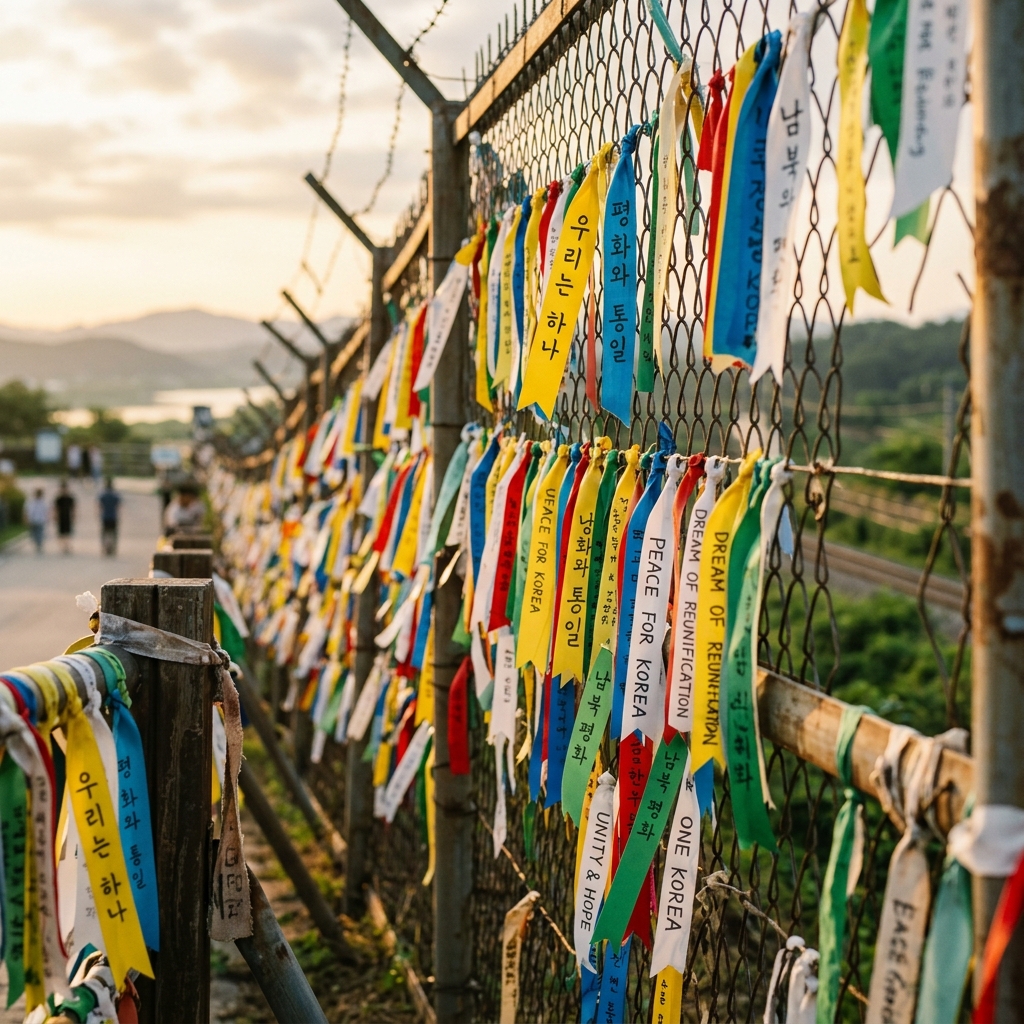
This is the first major stop on most tours. Located 7 km south of the Military Demarcation Line, Imjingak Park was built in 1972 with the hope of reunification. It is a place of remembrance for separated families who come here to perform ancestral rites and pray for their relatives in the North. Key features include numerous monuments, the Bridge of Freedom (which returning POWs crossed after the war), and a steam locomotive riddled with bullet holes.
- Critique: The solemnity of Imjingak is somewhat undercut by the presence of a small amusement park, souvenir shops, and numerous food stalls. This commercialization can feel dissonant with the gravity of the location.
The Third Infiltration Tunnel
Discovered in 1978, this is one of four known tunnels dug by North Korea under the DMZ for a potential surprise invasion of Seoul. It is a significant highlight of the tour. After a short introductory video, visitors can descend a steep, 350-meter-long interception tunnel to reach a portion of the original tunnel.
- Critique & Physical Warning: The descent and ascent are extremely strenuous. The slope is steep (around an 11-degree grade), the ceiling is low in many sections (requiring hard hats and constant stooping), and the air is cool and damp. This part of the tour is not suitable for individuals with claustrophobia, respiratory or heart conditions, or significant mobility or joint issues. A small tram is available for a separate fee on some tours, but it has limited capacity and may not always be an option.
Dora Observatory
This is the northernmost observatory in South Korea from which visitors can gaze across the border into North Korea. On a clear day, one can see the North Korean propaganda village of Kijong-dong (with its massive flagpole), the now-shuttered Kaesong Industrial Complex, and the distant city of Kaesong. High-powered binoculars are available for a small fee.
- Critique: The experience is entirely dependent on weather. On the frequent hazy or foggy days common in Korea, visibility can be extremely poor, sometimes rendering the view a uniform grey expanse. The observation deck can also become very crowded, making it difficult to secure a good viewing spot.
Dorasan Station
Dorasan is the last train station in South Korea on the Gyeongui Line, located just before the border. It was built as a symbol of hope for reunification, with signs reading “To Pyeongyang” and infrastructure designed to one day connect South Korea to the Trans-Siberian Railway. The station is mostly empty and symbolic, serving as a poignant reminder of both division and future aspirations.
Practical Tips for Your DMZ Visit
A visit to the DMZ is unlike any other tour. It operates under military jurisdiction, and all visitors must comply with a strict set of rules. Failure to do so can result in being denied entry or removed from the tour.
🛡️ Critical Border Security Rules & Dress Code Warnings
- Passport is Mandatory: You must bring your original, valid passport on the day of the tour. Photocopies, driver’s licenses, or other forms of ID are not accepted. Passports are physically checked by soldiers at military checkpoints. No passport, no entry.
- Strict Dress Code: A respectful dress code is enforced. Prohibited items include: ripped or torn clothing (including designer ripped jeans), sleeveless shirts/tank tops, shorts or skirts that are above the knee, military-patterned clothing, and open-toed shoes like sandals or flip-flops. This is a sign of respect in a formal, high-tension military area.
- Photography Restrictions: Photography is strictly forbidden in many areas, including at military checkpoints and inside the Third Tunnel. Your tour guide will give explicit instructions on when and where you can and cannot take photos. Do not attempt to photograph soldiers or military installations unless permitted. Violating these rules is a serious offense.
- Conduct and Behavior: Follow your guide’s instructions at all times. Do not wave, shout, point, or attempt to make contact with North Korean personnel visible from the Dora Observatory. All movements are monitored, and provocative actions are not tolerated.
Logistics and Preparation
- Travel Time: Be prepared for a long bus ride. The journey from central Seoul to the DMZ can take 1.5 to 3 hours each way, depending heavily on Seoul’s notoriously bad traffic. Tours start early in the morning to mitigate this. Use one of the 5 must-have apps for Korea travel to check your route and travel time to the tour meeting point.
- Cancellations: Tours can be canceled at the last minute without prior notice due to official military drills, VIP visits, or heightened inter-Korean tensions. In these cases, tour operators will provide a full refund.
- What to Bring: Aside from your passport, bring comfortable walking shoes, a bottle of water, and some Korean Won for snacks or the observation deck binoculars. For a breakdown of currency needs, consult this Korea Travel Money Guide.
Food and Connectivity
- Meals: Half-day tours do not include meals and typically conclude before you return to central Seoul. Full-day tours often include a basic lunch, but the quality can be inconsistent. It is wise to have a good breakfast before you depart. If you plan to eat at a Korean restaurant after your tour, being familiar with Korean Restaurant Etiquette can enhance the experience.
- Mobile Service: Cellular service can become weak or non-existent as you approach the border. Your phone may even pick up a North Korean mobile network (do not connect to it). It is advisable to have your travel details and maps accessible offline. For reliable connectivity throughout the rest of your trip, consider options from this Incheon Airport SIM Card & eSIM Guide before you travel.
In conclusion, a DMZ tour offers an invaluable educational experience, providing a tangible sense of the political reality that has shaped modern Korea. While highly structured and at times commercialized, it remains a compelling and worthwhile journey for those seeking to understand one of the world’s last Cold War frontiers.
Written by Min-Woo Park (Senior Travel Editor)
Min-Woo Park is a Senior Travel Editor for K-Travel Insider, specializing in South Korean public transportation systems, digital payment logistics, and foreigner travel guides. He covers official Korail regulations, transit passes, and local payment technologies.
Home |
About Us |
Contact Us |
Privacy Policy |
Terms of Service |
Disclaimer
Copyright © 2026 K-Travel Insider (koreanvalueinvestor.com). All rights reserved.